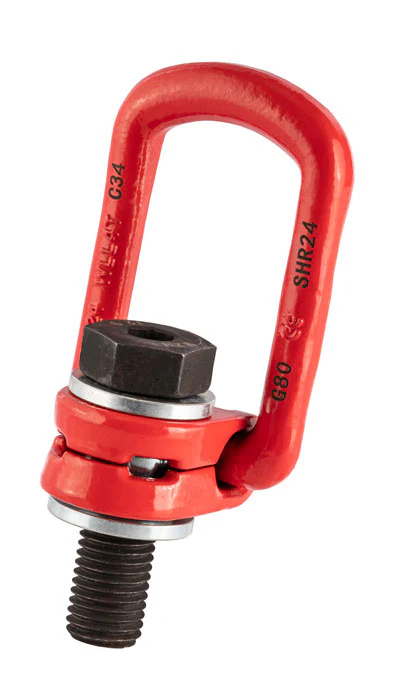
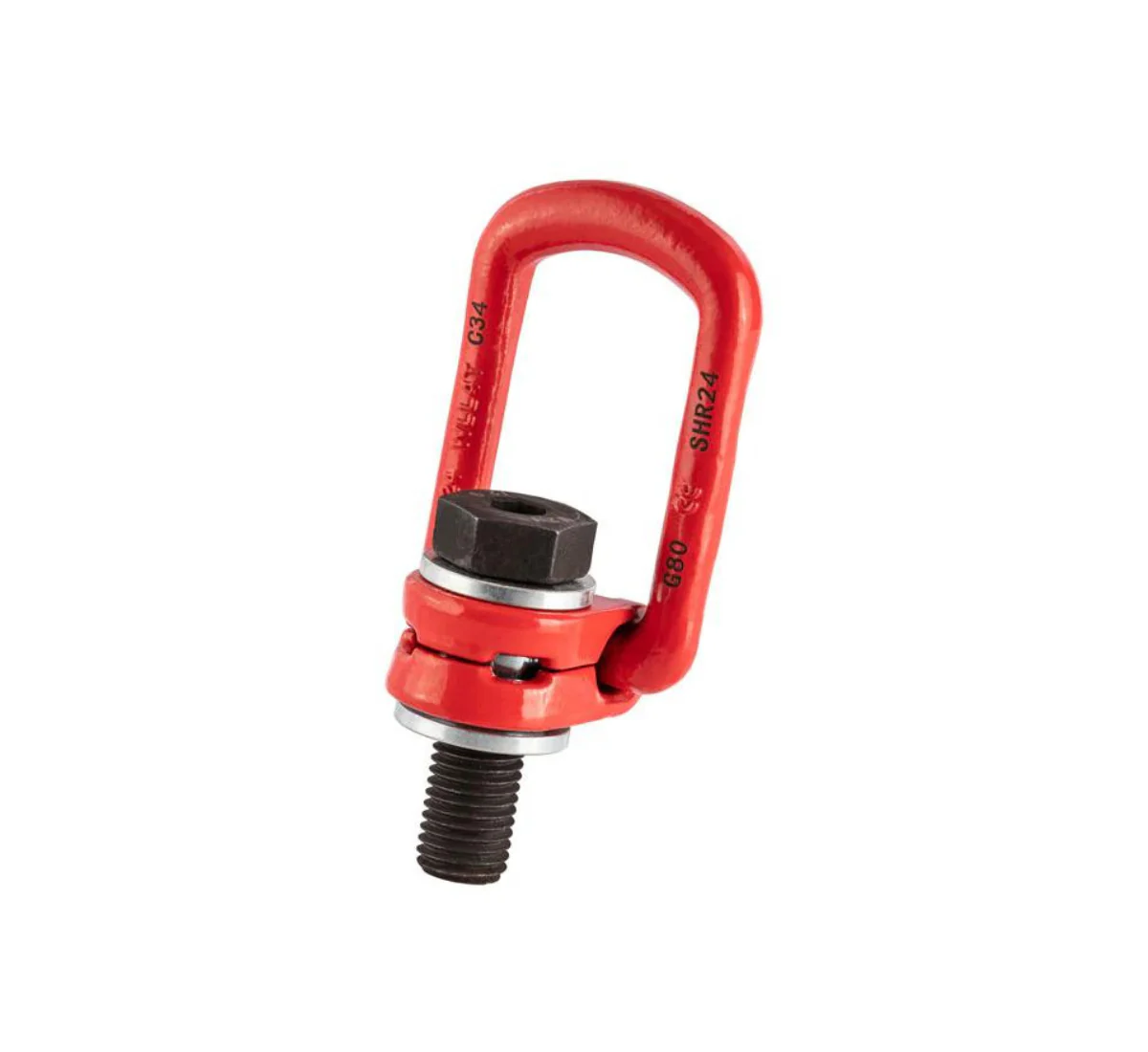
William Hackett HA Lifting Point (UNC Thread)
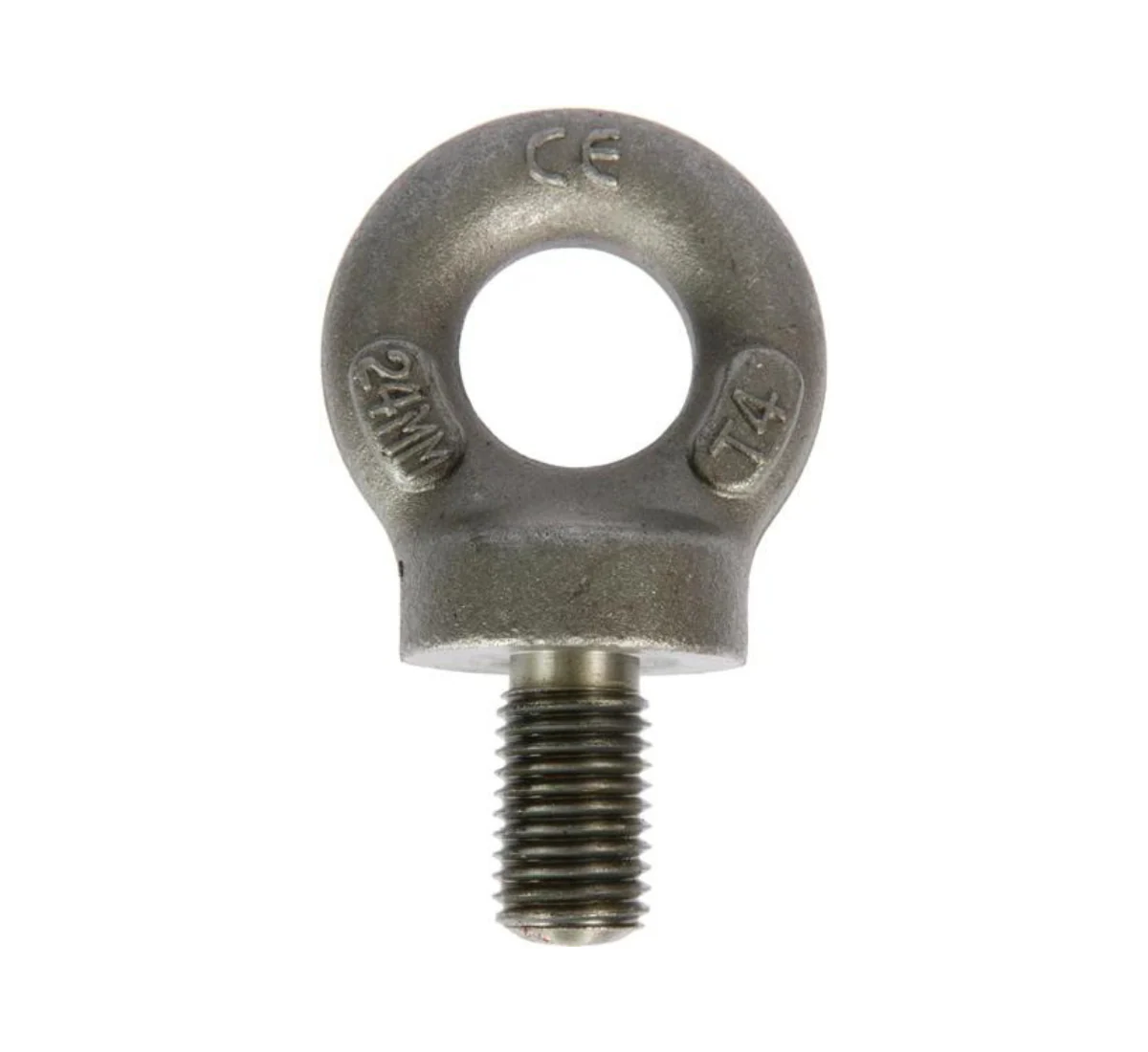
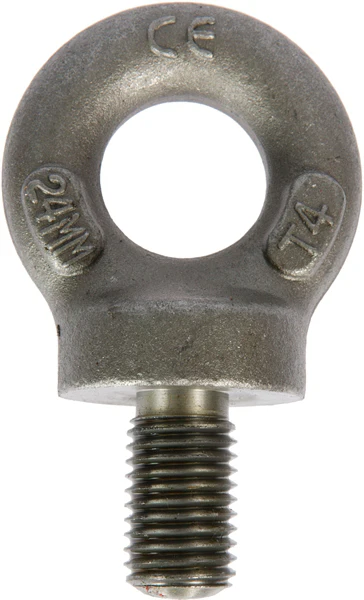
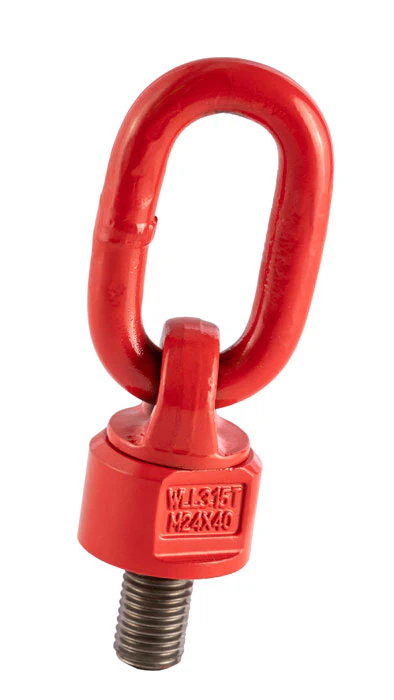
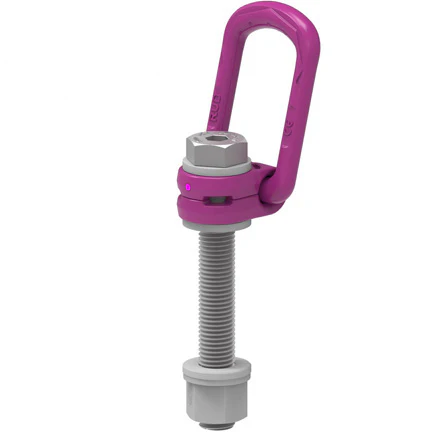
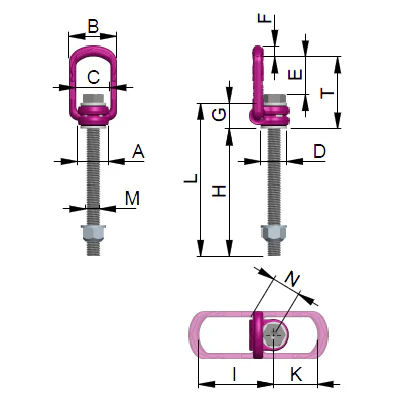
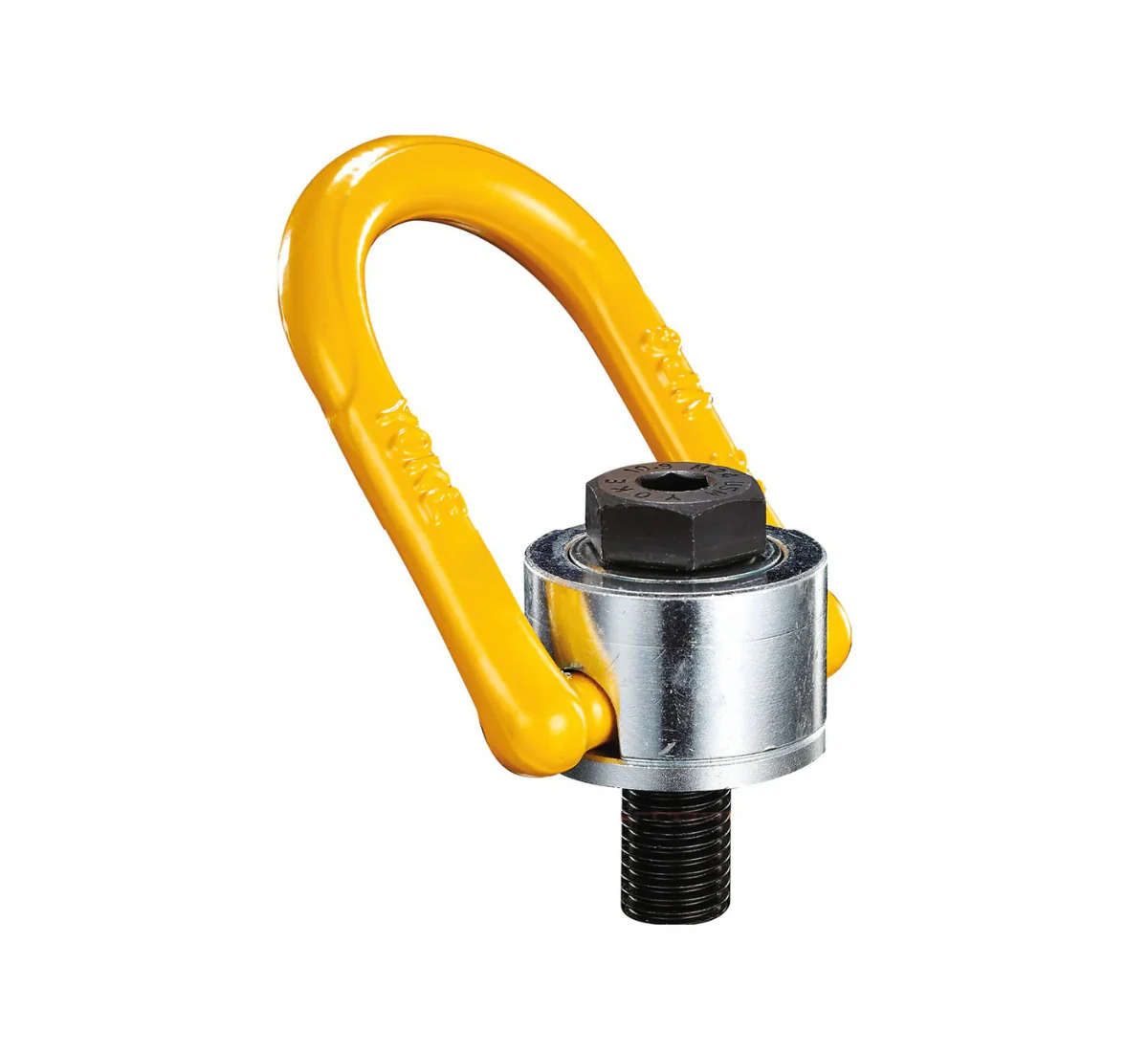
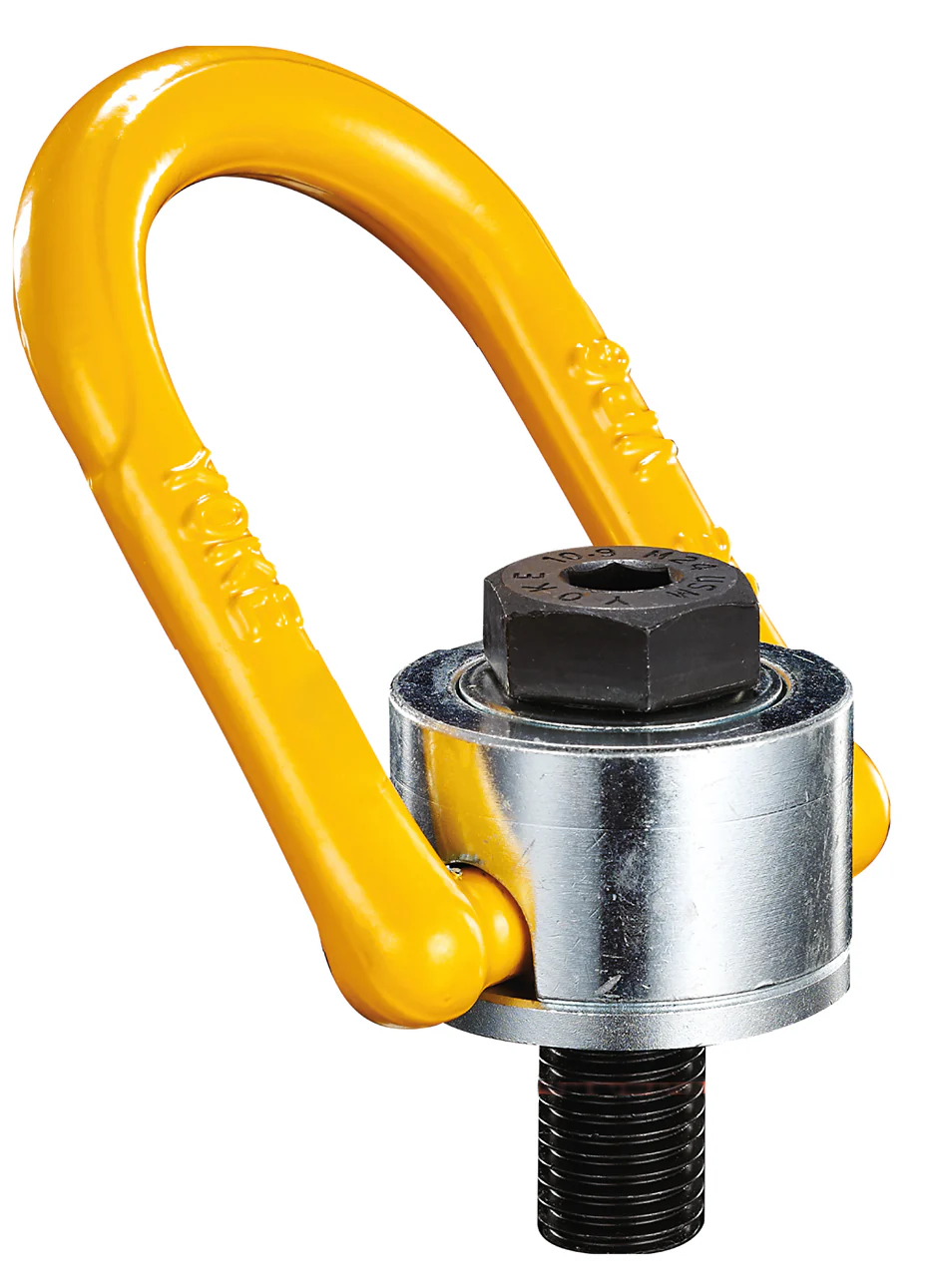
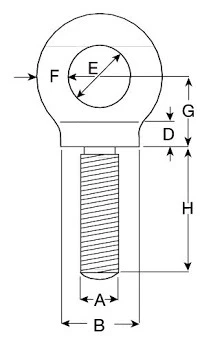
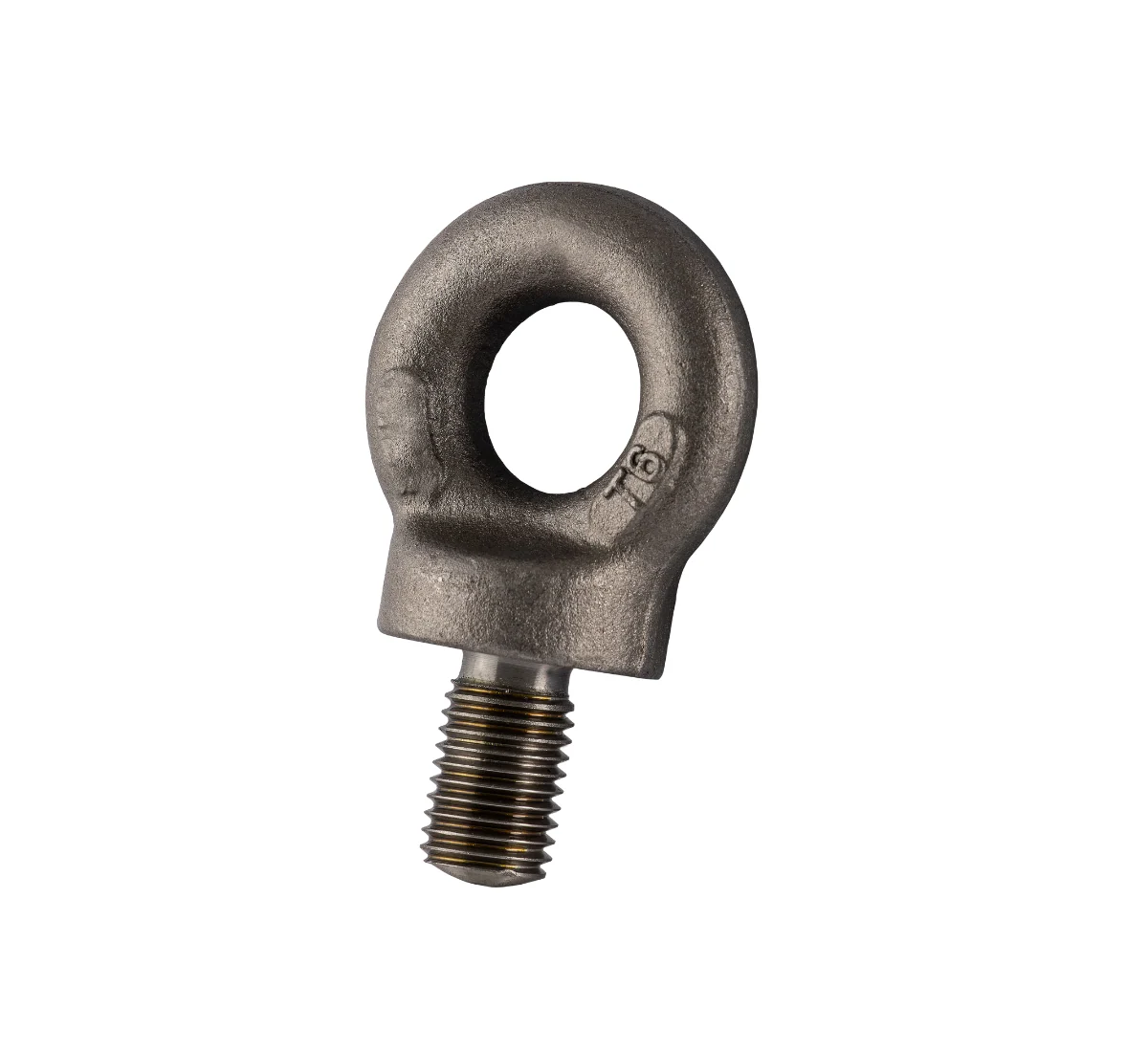
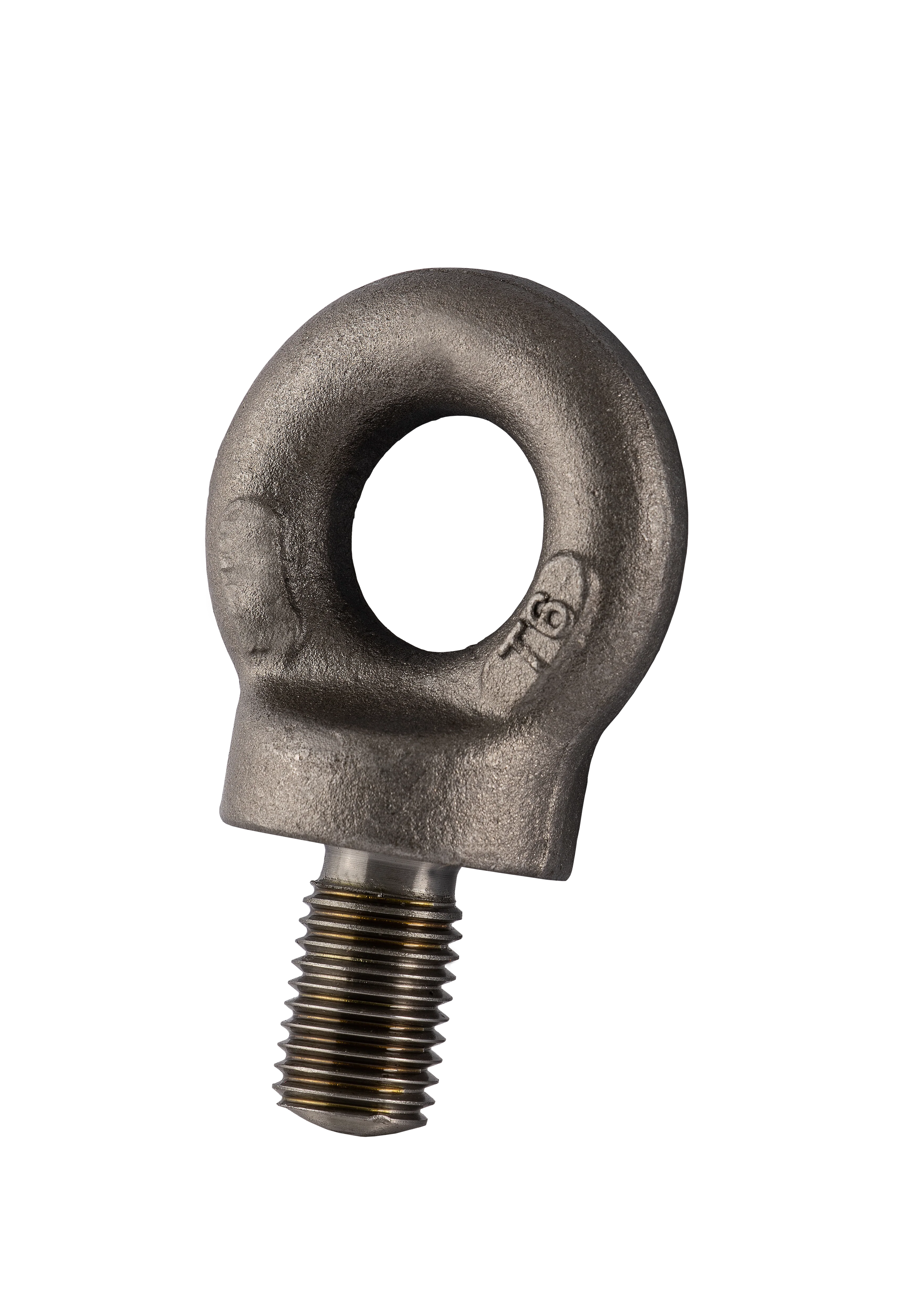
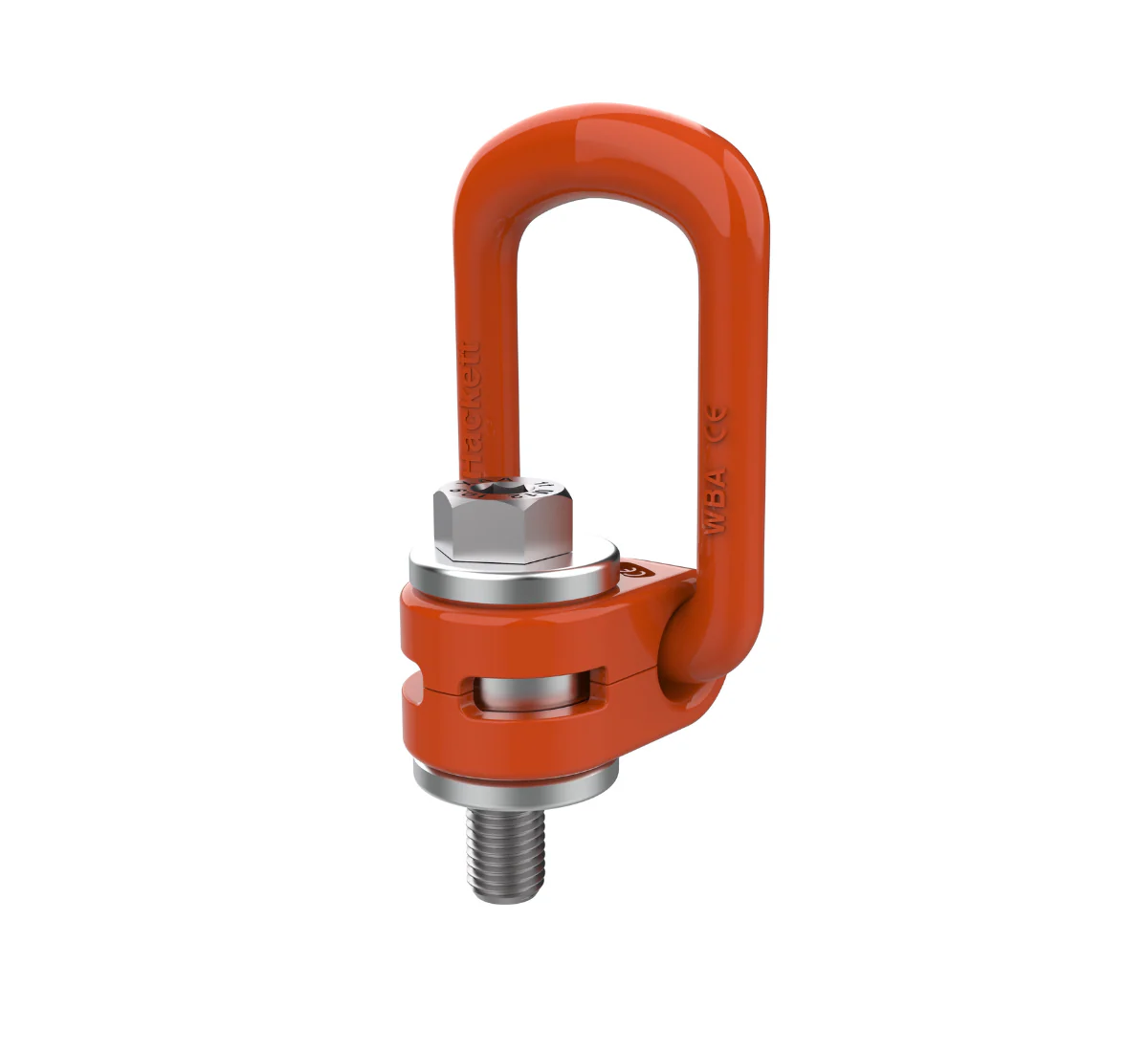
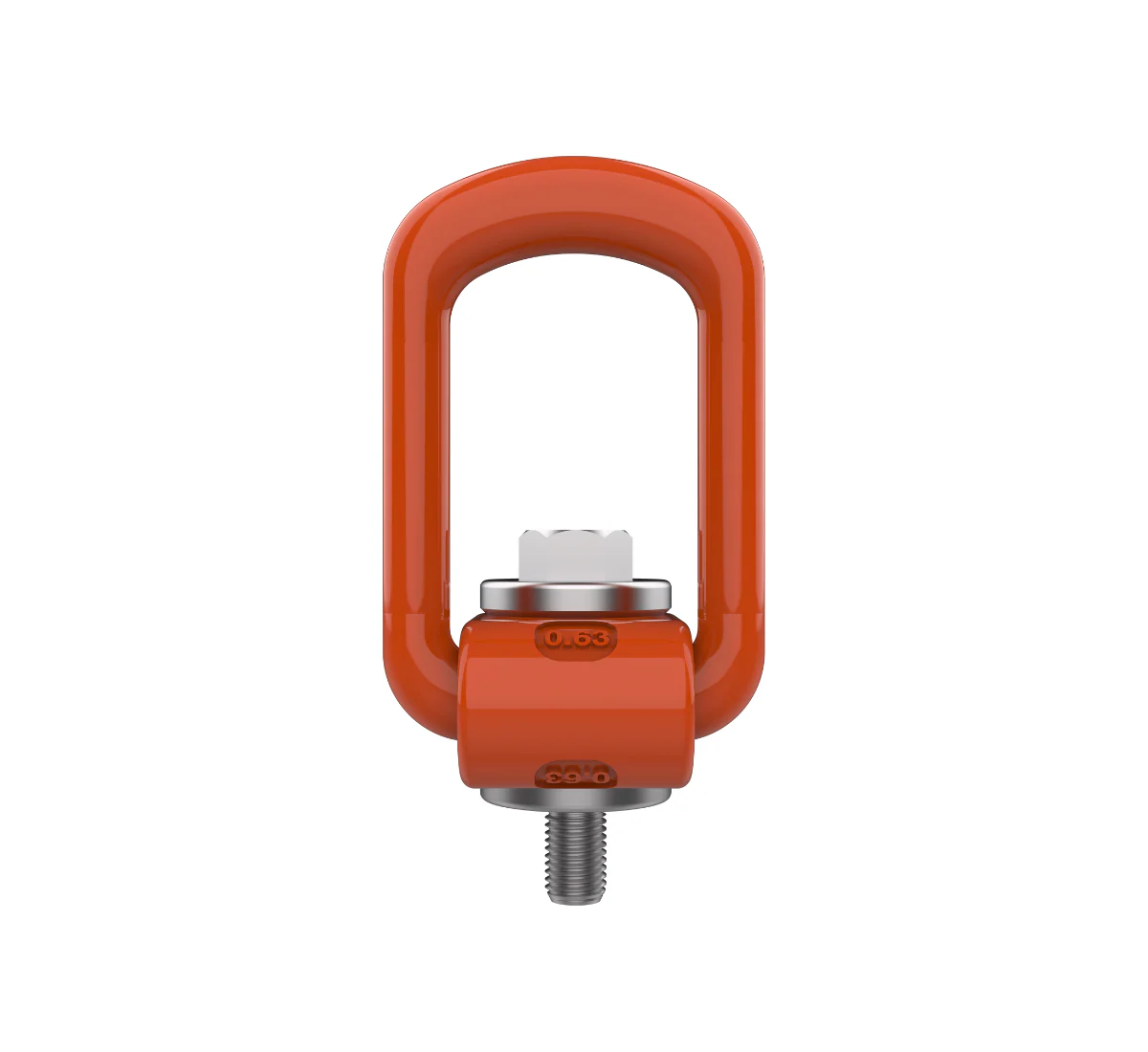
Coming in UNC thread sizes 3/8" up to 2" - in both standard and extended lengths - William Hackett's HA Lifting Point is has been designed for use with loads that incorporate tapped holes.
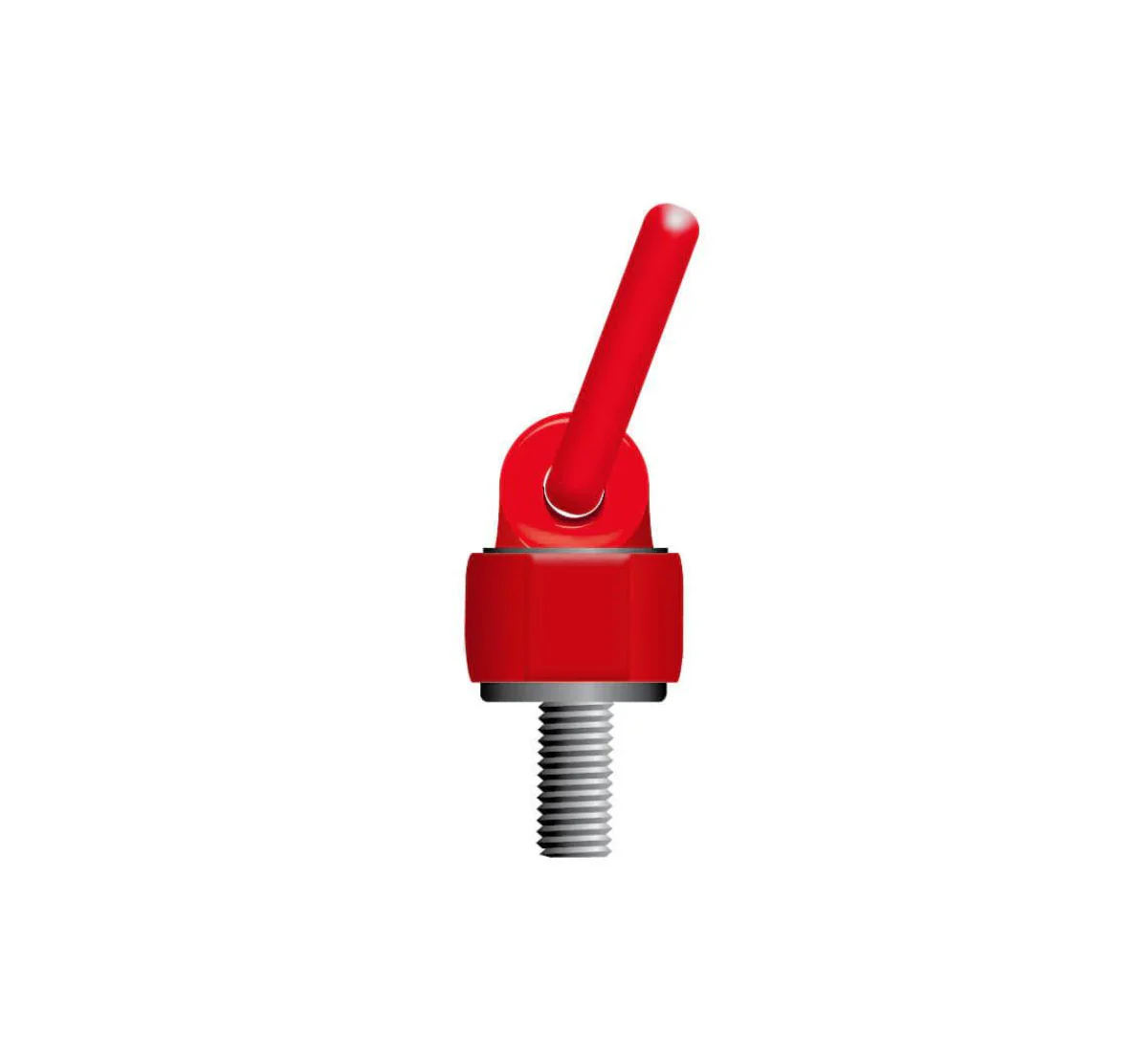
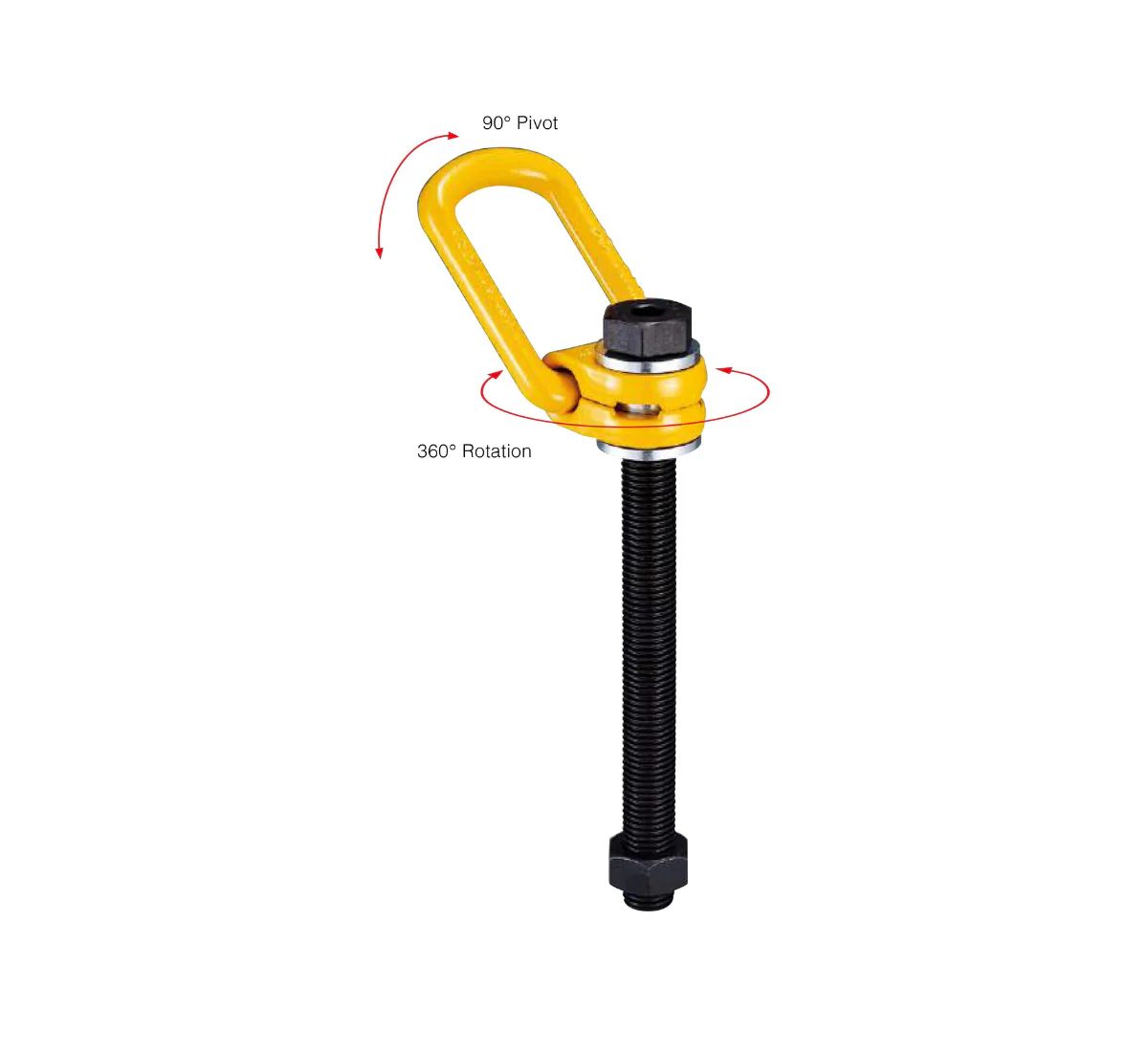
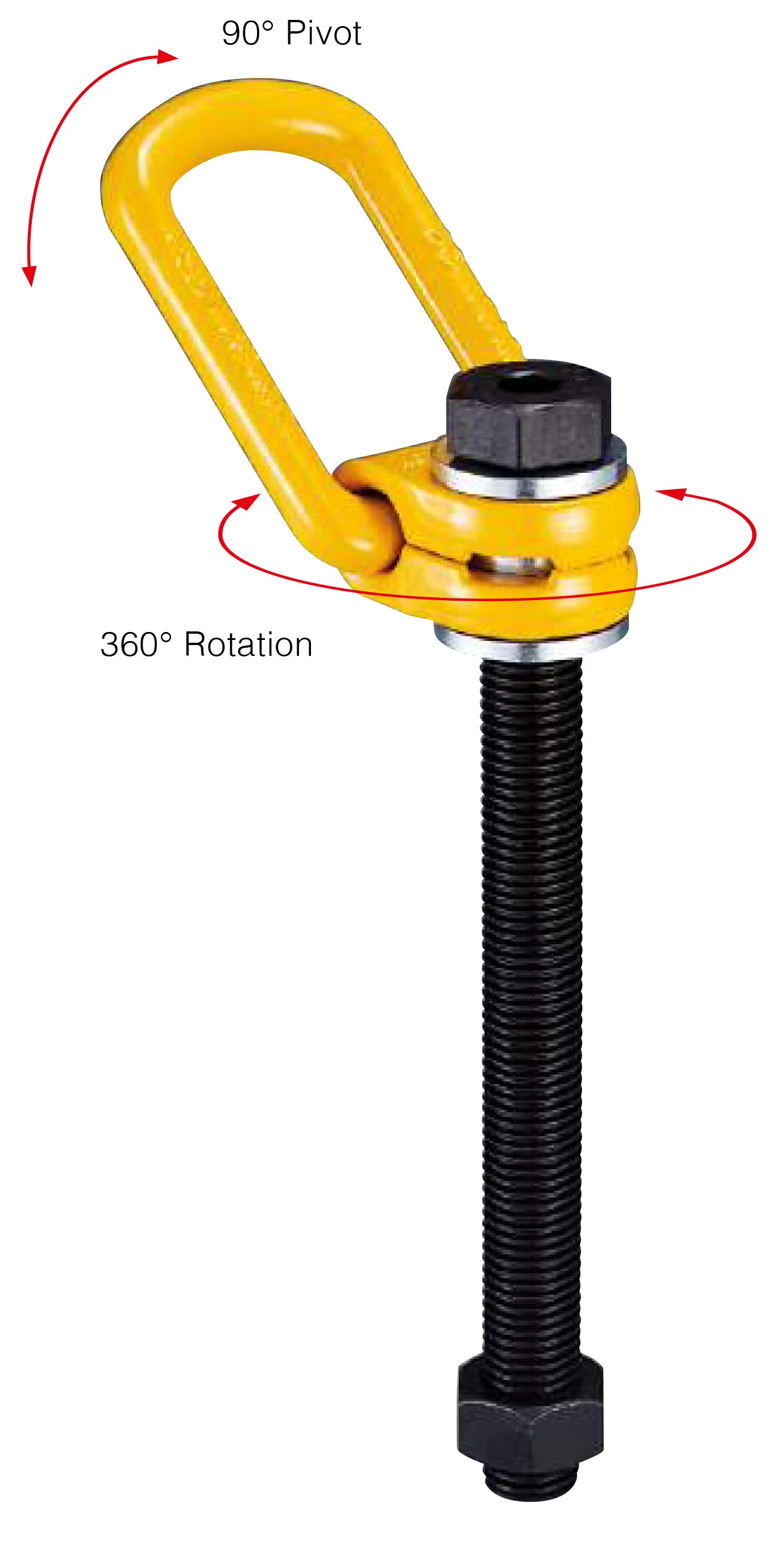
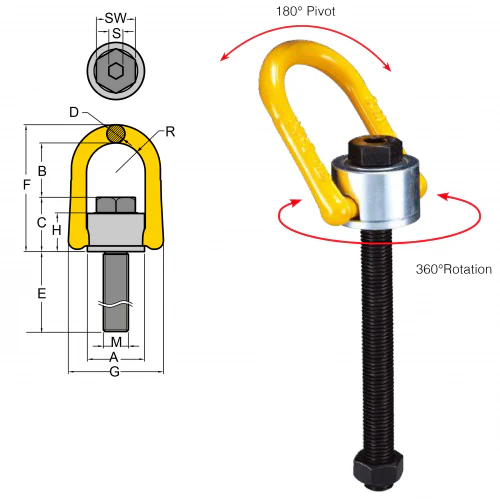
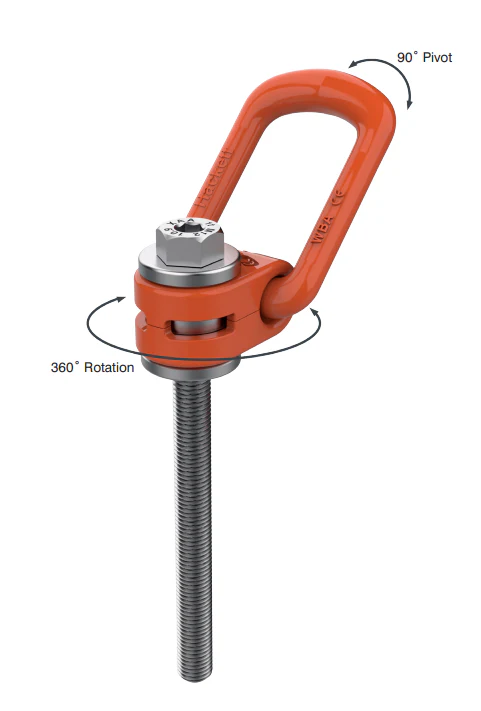
Engineered from alloy steel, these UNC thread lifting points rotate a complete 360° around the bolt axis, as well as pivoting 90°, mitigating the risk of damage as orientation is appropriate to lifting angle.
Boasting a working load limit of up to 20 tonnes, load rated parts of each HA lifting point have been subject to 100% magnaflux crack detection following heat treatment.
Capable of operating at - 40°C to + 200°C without reduction in working load limit, these lifting points have been proof tested to 2.5 times the stated WLL, and are fatigue rated to 20,000 cycles at 1.5x WLL.
Suitable for both top and side mounted applications, these bolt-on lifting points maintain total working load limit even when pulled at 90-degrees.
Designed and manufactured in accordance with EN1677-1 and ASME B30.26.
Original: $65.35
-65%$65.35
$22.87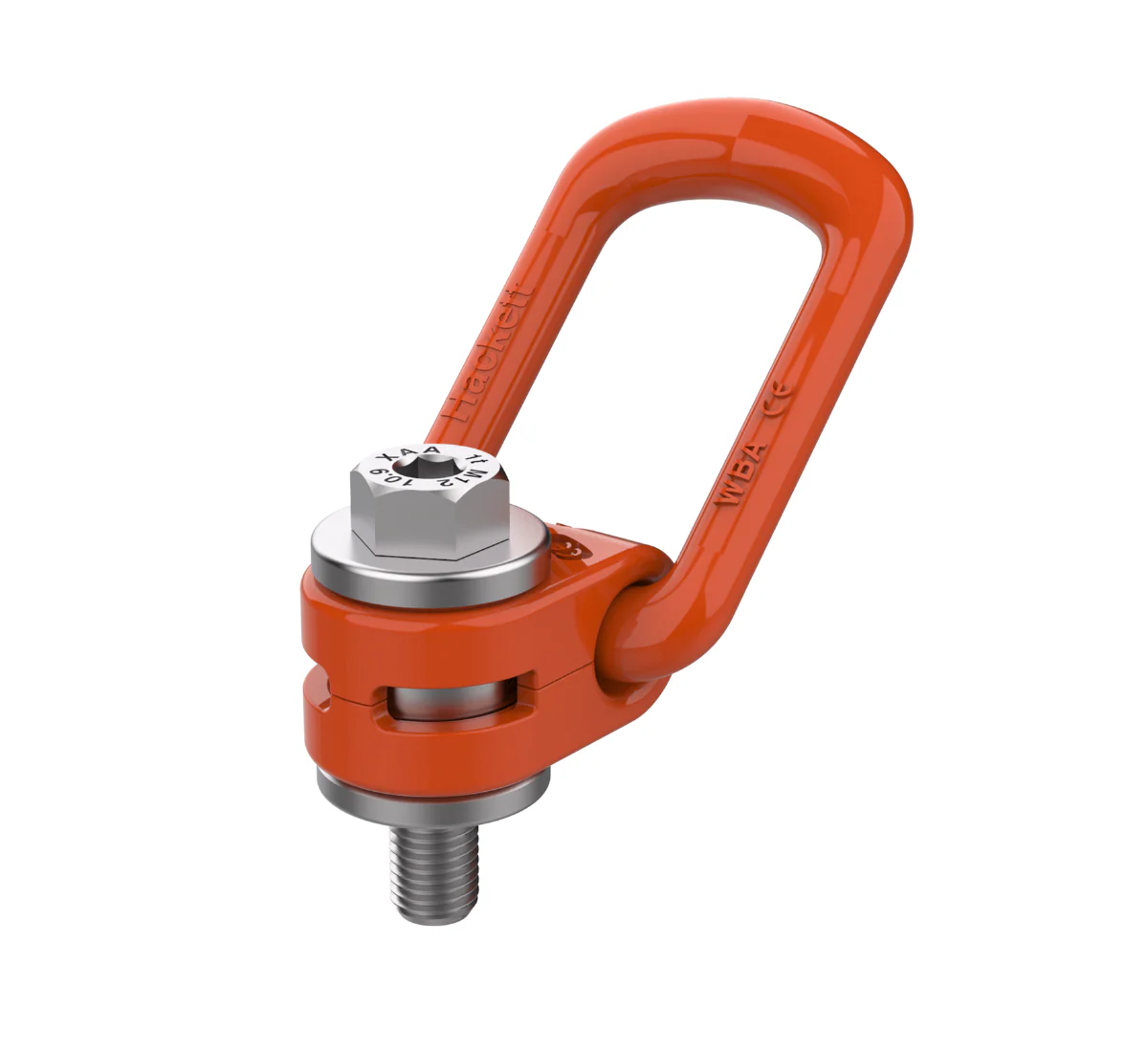
Description
Coming in UNC thread sizes 3/8" up to 2" - in both standard and extended lengths - William Hackett's HA Lifting Point is has been designed for use with loads that incorporate tapped holes.
Engineered from alloy steel, these UNC thread lifting points rotate a complete 360° around the bolt axis, as well as pivoting 90°, mitigating the risk of damage as orientation is appropriate to lifting angle.
Boasting a working load limit of up to 20 tonnes, load rated parts of each HA lifting point have been subject to 100% magnaflux crack detection following heat treatment.
Capable of operating at - 40°C to + 200°C without reduction in working load limit, these lifting points have been proof tested to 2.5 times the stated WLL, and are fatigue rated to 20,000 cycles at 1.5x WLL.
Suitable for both top and side mounted applications, these bolt-on lifting points maintain total working load limit even when pulled at 90-degrees.
Designed and manufactured in accordance with EN1677-1 and ASME B30.26.